Software and AI have made it much easier to automate GL transactions and ensure accurate coding. Automation designates a key field in previously coded invoices to recognize relevant GL codes and organize new transactions. AI’s ability to identify each transaction makes it easier for software to code them correctly.
What to Reconcile Before December 31: Real Estate Investor’s Checklist
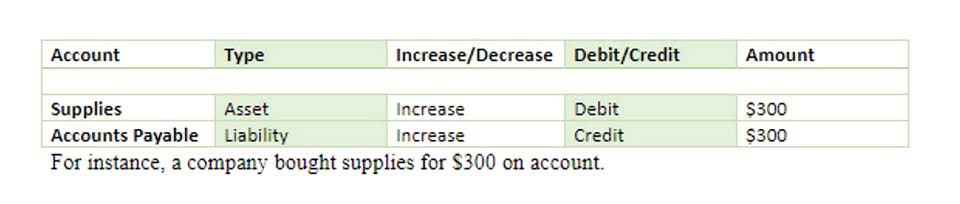
With the right approach and tools like Nanonets, you can turn invoice coding from a tedious chore into a powerful driver of efficiency and accuracy. At the same time, we deliver broad integration support and open API access that allows you to seamlessly move, manipulate, and access data from across your new billing and existing ERP systems. And as part of your search, we recommend considering our Accounts Receivable Automation platform. For example, when coding a contractor’s invoice, you may need to separate taxable labor from tax-exempt materials or flag parts of the bill that qualify for energy efficiency incentives. As an example, say you receive an invoice from your office supply vendor for $150 of printer paper and toner cartridges.
Benefits of Automated Systems

It requires multiple touchpoints, from invoice receipt and data entry to Bookkeeping for Chiropractors approval routing and payment processing, all of which can lead to inefficiencies. Automated invoice processing is the use of technology to streamline and optimize the handling of invoices by automating time-consuming repetitive tasks. It eliminates manual data entry, approval bottlenecks, and payment delays by using AI-driven tools to extract, validate, and route invoices for approval.
Invoice management: What it is and how to optimize it in 2025
- Automated systems maintain comprehensive audit trails, documenting every step of the invoice processing journey.
- This clarification will help you plan cashflow better, avoid last-minute financial surprises and can make a smarter budget decision.
- The evolution of invoice processing technology continues to accelerate, with new capabilities emerging regularly.
- DOKKA features a user-friendly interface that is easy to use, even without extensive training.
- In financial processes, especially accounts payable (AP), invoice coding bridges the gap between receiving an invoice and recording the expense in the business’s accounting system.
- Despite its importance, invoice coding has been left behind the massive growth in the AP automation, procure-to-pay, and invoice capture solution landscape.
If any adjustments were made such as correcting an overpayment or applying a credit, it is important to document them properly, so they are easy to track later. Automating invoice processing will lower the hours employees spend on manual data entry, approvals or fixing errors. Instead of drowning in paperwork, your employees can work on tasks that truly improve your bottom line. Automatically capture crucial details, predict coding based on historical data, and enjoy user-friendly controls for a coding experience that’s as smooth as silk.
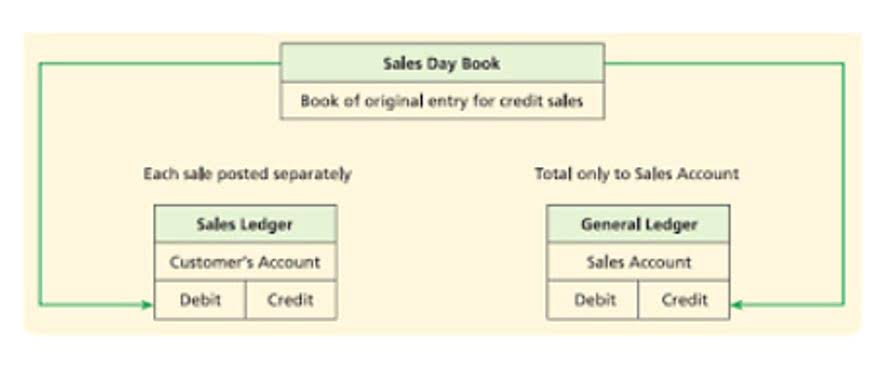
General Ledger (GL) Accounts: The Backbone of Your Financial Records
It also becomes more difficult to spot problems or find new sources of cash. Maintaining accurate accounting records means more than checking every box on your list at month-end close. Without accuracy in your underlying recording, you’ll never know if invoice coding the financial reports you compile are accurate. Blackbaud is currently undergoing a major growth initiative, including acquisitions. By consolidating multiple systems into one platform with Workday, Blackbaud has slashed journal entries by over 25% and reduced manual steps, ensuring faster, more accurate financial analysis. Read on to learn more about the potential impact of widespread AI implementation from 2,355 senior business executives.
ERP Integrations

Today, while finance organizations are at various stages of digital transformation, 98% of CFOs say they’ve already invested in automation as part of their efforts. To stay competitive, businesses must rethink outdated financial workflows and embrace automation as a core part of their strategy. Different industries have unique invoice processing requirements, and technology providers are developing specialized solutions to address these needs. Healthcare, construction, and manufacturing sectors are seeing tailored platforms that understand their specific challenges.
- Once your system is set up, focus on successful implementation and ongoing improvement.
- As such, the actual logistics of your coding automation will depend heavily on the solution you choose, so you’ll want to make sure that you find the right offering.
- Companies can easily track expenses by department, simplifying the expense tracking process by functional area.
- Automation eliminates these pain points by digitizing invoices, using AI-powered tools to extract and verify data, and ensuring invoices are routed through a standardized approval workflow.
- By leveraging advanced artificial intelligence and machine learning, DOKKA can accurately code invoices in seconds, eliminating data entry errors and reducing processing times.
It provides detailed, normalized invoice data delivered to back-office systems for better tracking and management. Businesses can use preset categories for GL coding or create new options to optimize category management. Automated invoice processing ensures vendors are paid accurately and on time, improving trust and positioning businesses as reliable partners. Additionally, with real-time insight into outstanding liabilities, finance teams can make better cash flow decisions, prioritizing payments in a way that optimizes working capital.

Step 3: Invoice approval and payment
This information becomes valuable for strategic decision-making beyond just invoice processing. Successfully implementing automated invoice processing requires careful planning and a structured approach. Companies that rush into automation without proper preparation often face unnecessary challenges. Modern automation tools are designed to work with established accounting software rather than replace it entirely. This compatibility ensures that businesses can upgrade their processes without overhauling their entire financial infrastructure. The best platforms also offer real-time tracking and payroll reporting capabilities.